Arm-Qualcomm legal fight ends in limited verdict, larger stakes remain

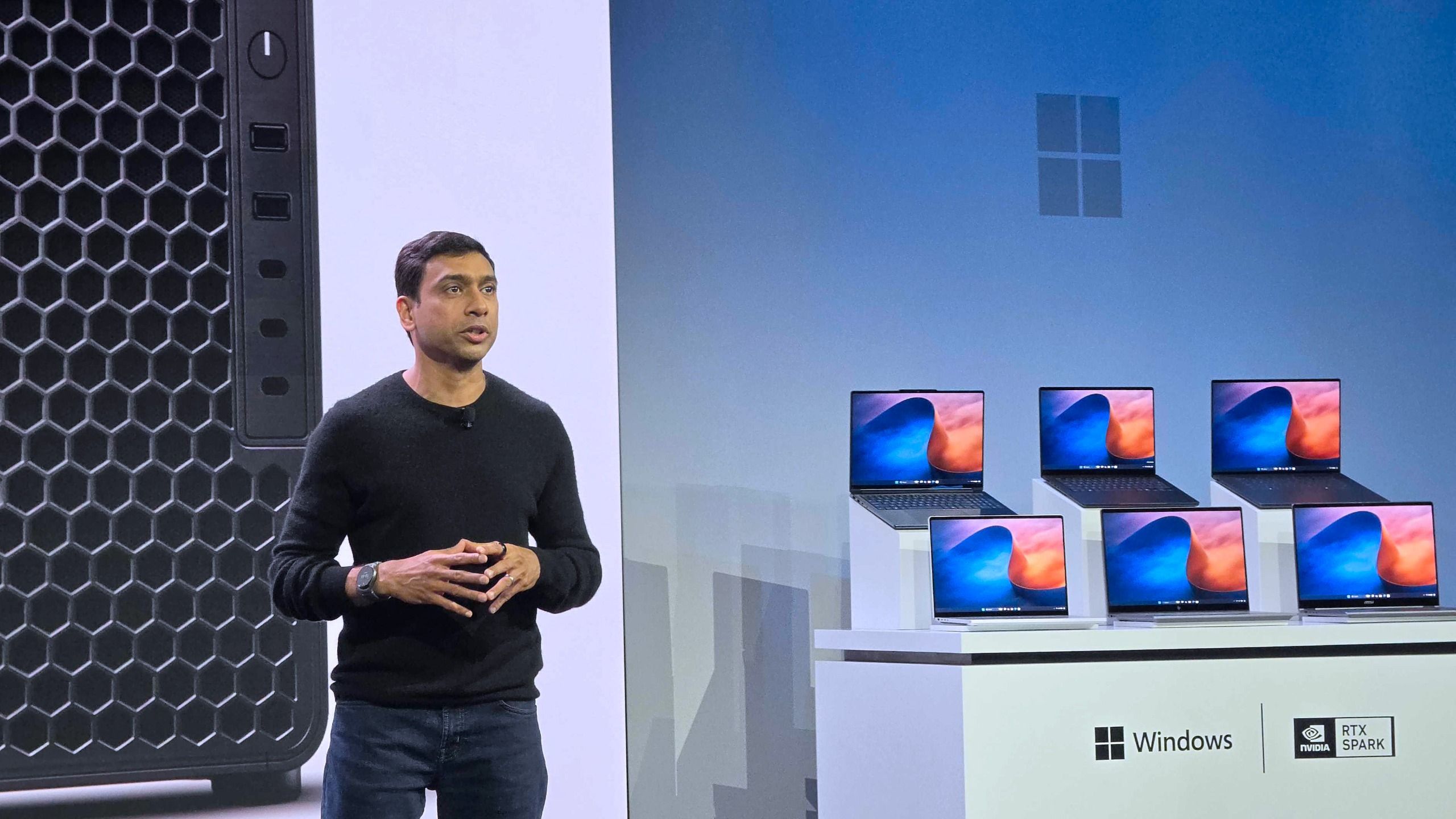
A Delaware jury found that Arm breached its licensing agreement with Qualcomm but awarded the chipmaker just $2 in damages, leaving a potentially multibillion-dollar dispute over royalty payments unresolved. The jury ruled on October 13 that Arm had failed to provide software patches and development tools required under its agreement with Qualcomm. It also found that Arm had interfered with Qualcomm’s business relationship with Meta Platforms, while rejecting several other allegations against Arm. Qualcomm is seeking to invoke a contractual provision that would allow it to stop paying royalties to Arm for five years. Arm has argued that the provision is unenforceable, leaving US District Judge Maryellen Noreika to decide whether Qualcomm is entitled to the remedy, Reuters reported. Qualcomm welcomed the finding that Arm breached its licensing obligations, while Arm emphasized that it prevailed on several other claims and was ordered to pay only nominal damages. The verdict follows an earlier dispute over Qualcomm’s 2021 acquisition of chip designer Nuvia. Arm argued that Qualcomm needed its consent to use technology developed under Nuvia’s license. A jury sided with Qualcomm on key issues in December 2024, and a judge ruled in its favor on the remaining claim in September 2025. Arm has appealed that judgment. The dispute comes as Arm expands beyond its traditional business of licensing processor technology. In March 2026, the company unveiled its first data center CPU, developed with Meta Platforms. Qualcomm, meanwhile, has been expanding beyond smartphones with its Snapdragon processors for Windows computers. PC market challenges unresolved The Arm–Qualcomm dispute is unlikely to significantly impact enterprise adoption of Snapdragon-powered Windows laptops, said Pareekh Jain, CEO of Pareekh Consulting. Charlie Dai, principal analyst at Forrester, said the remaining dispute is more focused on licensing remedies and commercial terms than on the viability of existing products. While the ruling reduces one source of uncertainty for Qualcomm, its prospects in the PC market remain dependent on factors beyond the legal dispute. The chipmaker accounted for less than 1% of the overall PC market, excluding tablets, in the second quarter of 2026, said Ben Yeh, principal analyst at Omdia, citing the firm’s data. “At present, the main challenges facing Qualcomm’s expansion in the PC market remain consumers’ limited confidence in the compatibility of Windows apps for the Arm-based architecture, their continued reliance on existing suppliers such as Intel and AMD, and the relatively high price of Qualcomm’s chips,” Yeh said. Yeh does expect Qualcomm’s share of PC sales to increase modestly in the second half of 2026, supported by the launch of its Snapdragon C products and supply shortages at Intel. For enterprise buyers, the more immediate considerations concern how well Snapdragon-powered Windows PCs fit into their existing IT environments. Dai said CIOs should evaluate device management and AI capabilities alongside application compatibility and vendor support when considering Snapdragon-powered laptops. Deepika Giri, head of research for AI, analytics and data in Asia Pacific at IDC, said the remaining legal uncertainty was manageable, but advised buyers to obtain multiyear commitments on product roadmaps and support from PC manufacturers and Qualcomm. Jain recommended maintaining a mix of Arm-based and x86 devices to reduce procurement risks. Arm’s relationships with chipmakers face scrutiny The jury’s finding that Arm failed to provide required development tools could bring greater scrutiny to its obligations under licensing agreements. Dai said clearer licensing obligations and stronger protections for licensees could encourage more custom processor development, potentially increasing competition. “What changes is leverage: licensees will push harder on terms and invest more in custom silicon,” Giri said. “Over the next few years, enterprises could benefit from broader hardware choices and improved performance differentiation, although any increase in licensing costs or legal complexity could also put upward pressure on processor pricing and ultimately on enterprise hardware spending,” Dai said. Arm’s expansion into chip development could encourage licensees to diversify without abandoning its technology altogether. Giri expects companies to continue using Arm for its established software ecosystem while also investing in RISC-V and their own processor designs. A wider range of processor architectures could give enterprises access to more specialized hardware, but could also complicate software certification and infrastructure planning, Dai said. To manage that complexity, Giri recommended that enterprises adopt architecture-agnostic software and procurement strategies, reducing their dependence on any single processor platform.
This is a summary aggregated from Computerworld. Read the complete article on the original site:
Read full article at Computerworld