

'We're not a competitor to fusion. We are fusion': Inside the race to harness unlimited solar power in space
Space-based solar power has the potential to meet Earth's energy needs many times over. Will it see the light of day?

⭐ Favourites
Updated 1 min ago · 50 articles from Live Science
Space-based solar power has the potential to meet Earth's energy needs many times over. Will it see the light of day?
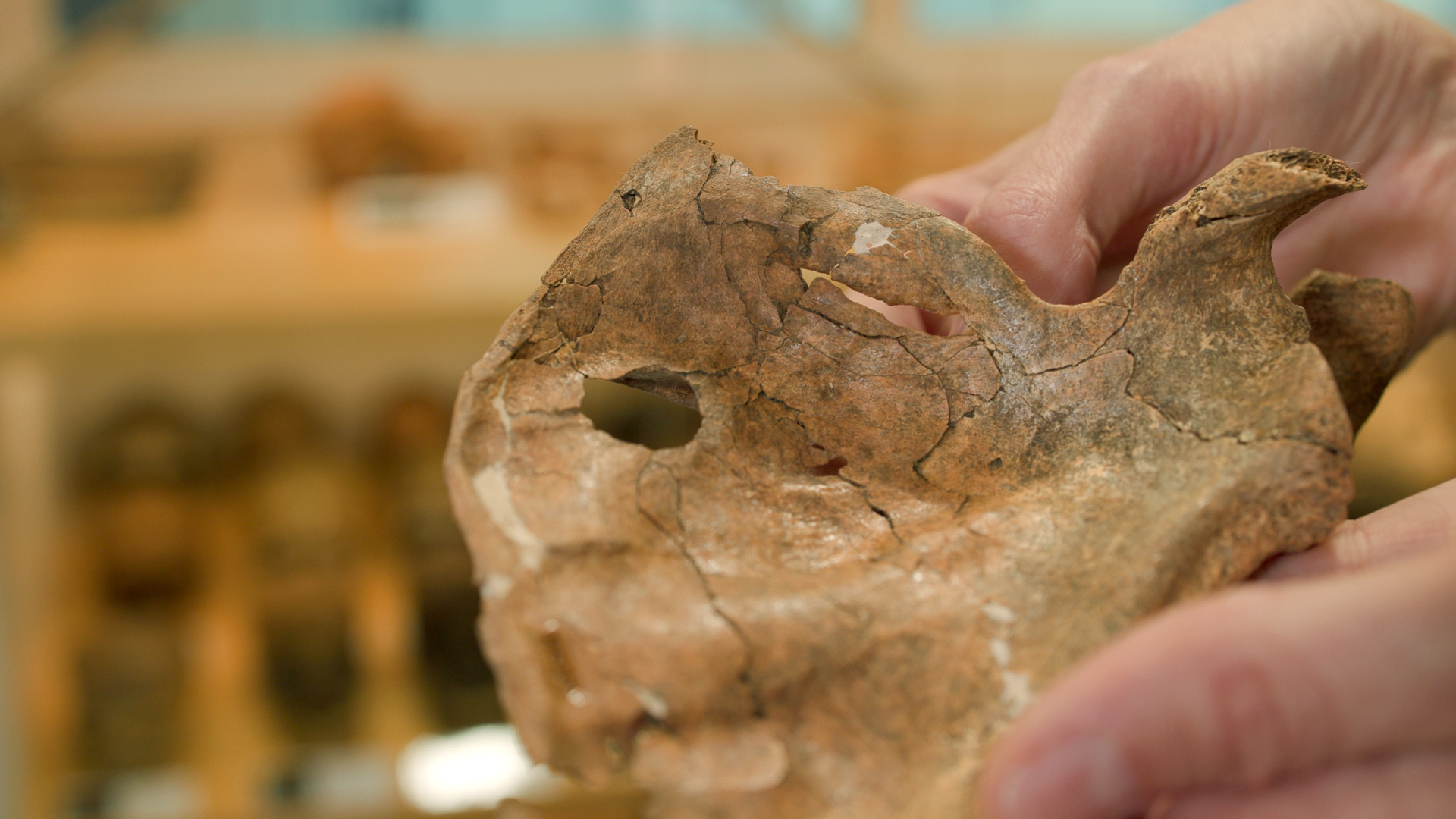
A rare discovery reveals that 75,000 years ago, a Neanderthal from Shanidar Cave in Iraq died a grisly death, likely from a wooden spear.

Women are using testosterone in the hope that it will treat their menopause symptoms, but little evidence supports the approach, experts say.

Movement-induced flares in chronic back pain activate brain regions involved in self-reflection, suggesting chronic pain may be processed differently than ac...

A study of DNA from early colonial-era skeletons in a Montreal cemetery has revealed that none of them had any Indigenous ancestry.

A recent study in mice hints that a modified tapeworm medicine might help relieve painful lesions seen in endometriosis.
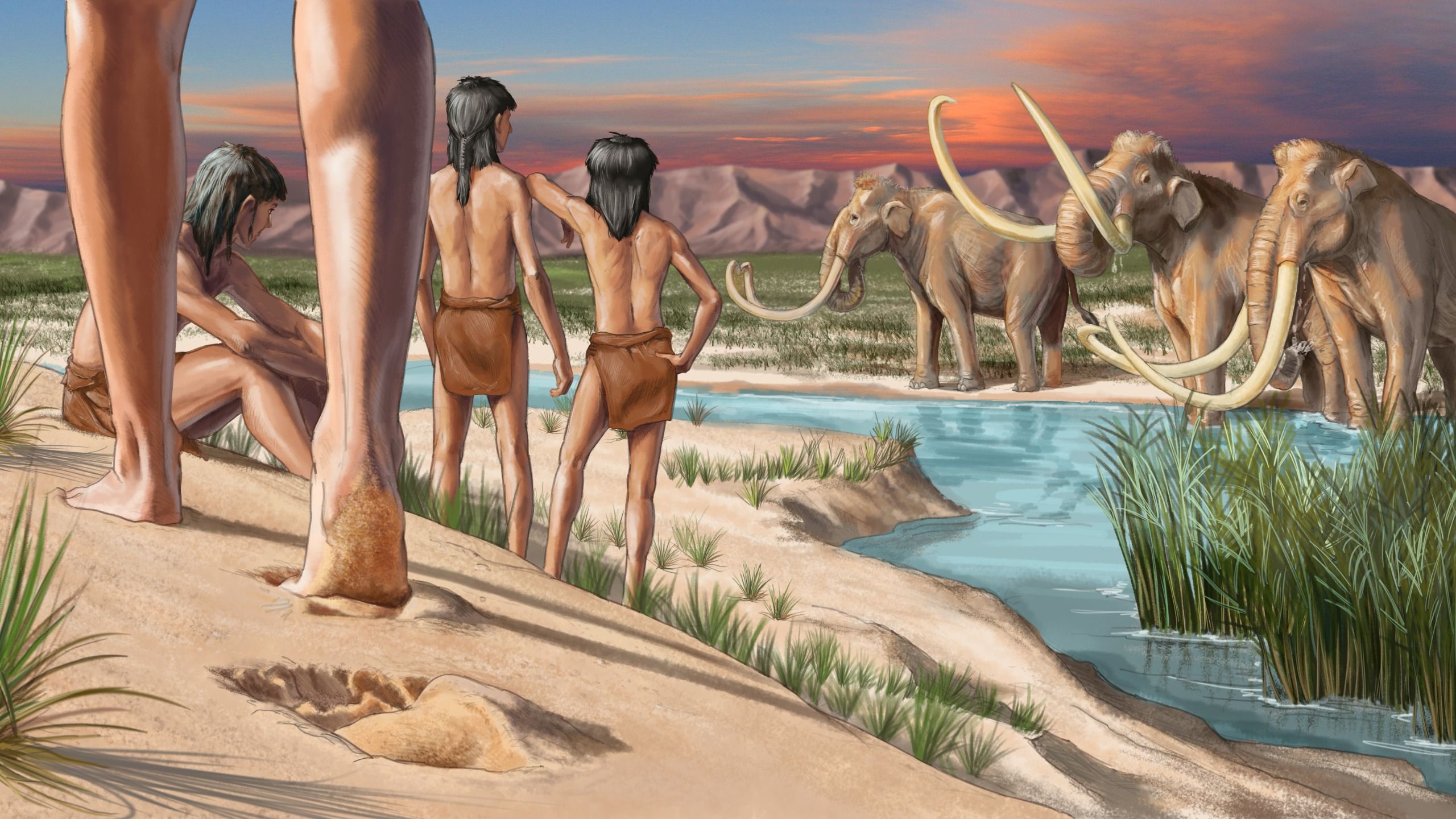
Researchers have revealed the climate that some of the first people in North America experienced around 23,000 years ago, during the Last Glacial Maximum.

A new mathematical formula tracks an AI's internal "compass needle" to flag undesirable outputs before they happen.

In this excerpt from "Every Last Fish," author Rose George examines the deep-rooted problems of the regulations surrounding fish meal.
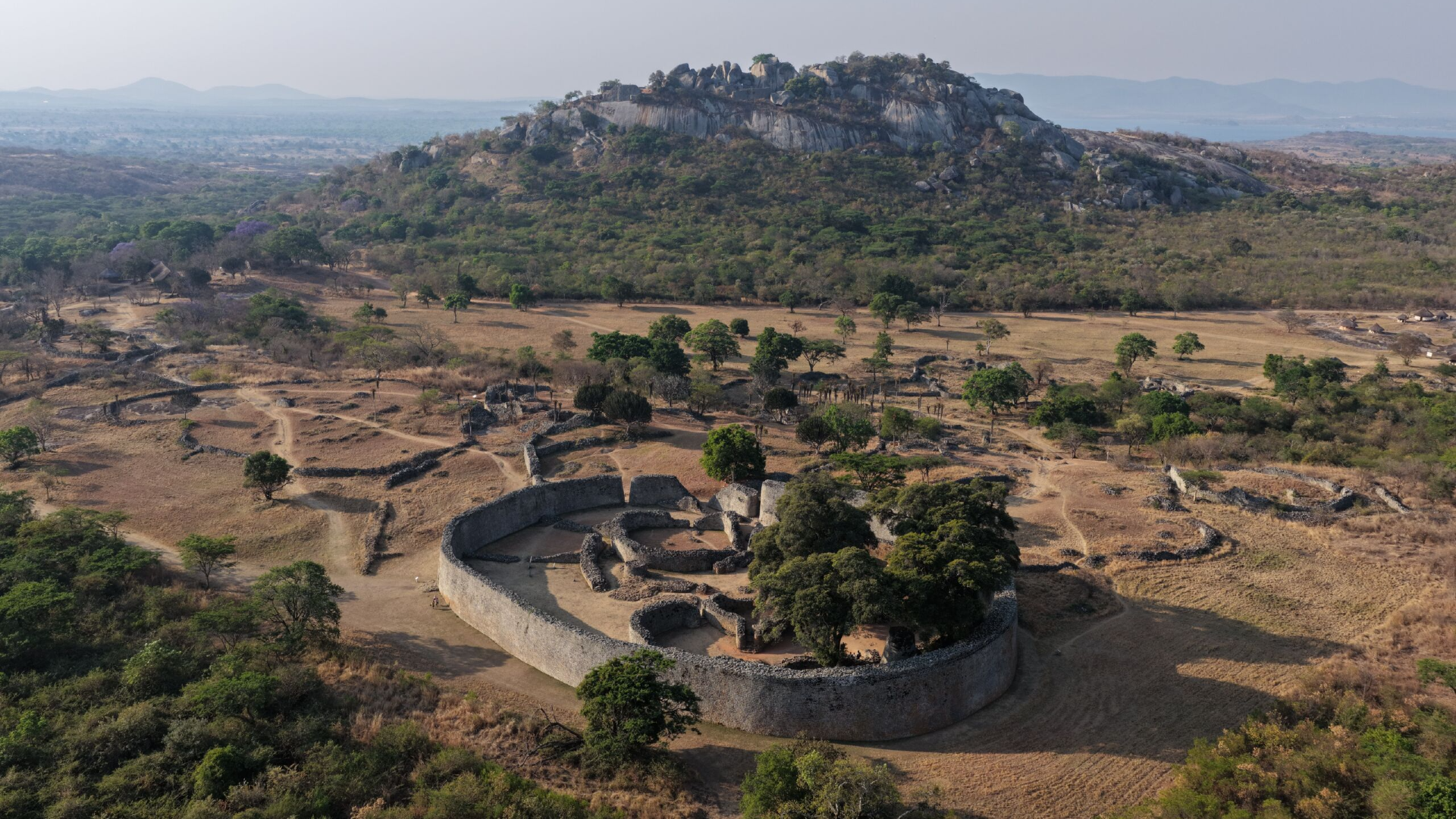
Archaeologists excavating a medieval African kingdom have discovered pottery from eastern China, revealing connections across continents.

A brand-by-brand guide to wildlife cameras, chosen for their autofocus capabilities, burst speed and animal tracking in real conditions, curated by our experts.
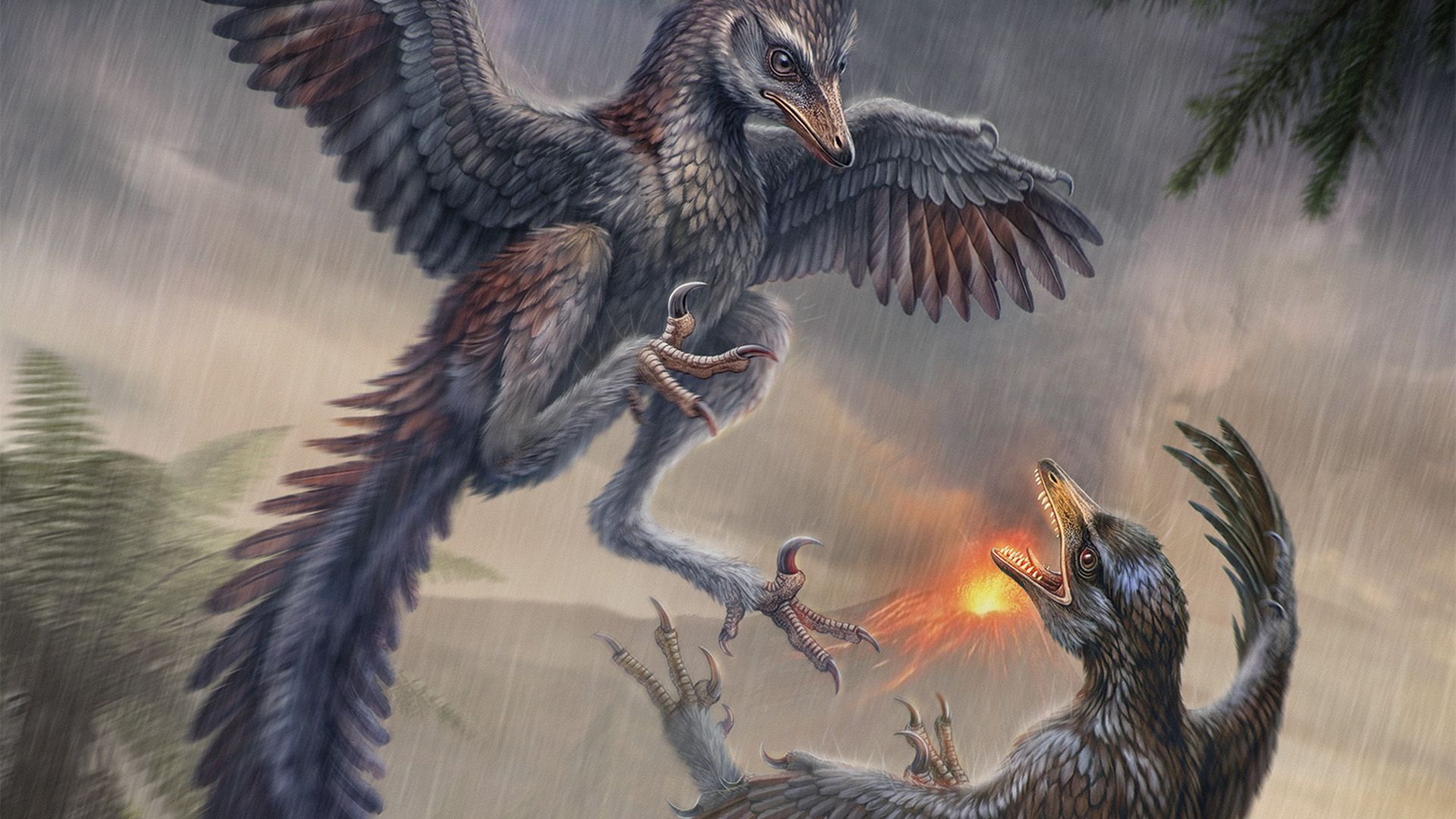
An early bird with many dinosaur-like features discovered in China seems to have been a fast-running, land-based carnivore with killer claws.
